Pediatric rehabilitation and autism-focused early intervention center supporting children aged 18 months to 6 years and empowering families.

Contact Info
Location

Basundhara, Kathmandu, Nepal

img
img
img
img
img
img
img
ABOUT ORCHID

A place built around the child and family

Orchid Care home and rehabilitation center is a pediatric rehabilitation center for young children aged 18 months to 6 years with autism and other developmental needs. We provide a multidisciplinary approach that brings together therapy, education and family support to help children with autism and developmental needs communicate, learn, participate and become independent.

  • Autism-focused early intervention & pediatric rehabilitation

  • Coordinated therapy, early education and family support

  • Practical goals meaningful for child and everyday life

Orchid provides autism-focused early intervention and pediatric rehabilitation in a coordinated setting. Our therapists and educators work together to understand each child's strengths, developmental needs and challenges, and to set practical goals that are meaningful for the child and family. We work on skills that children use every day, from communicating and playing to following routines, learning, eating, dressing, toileting and participating in classroom activities.


img
img
img
Our Core Foundations

Vision, Mission, Values & Clinical Approach

To become a leading center of excellence in rehabilitation and early intervention services in Nepal, enabling children with developmental challenges to reach their fullest potential and lead meaningful, inclusive lives.

  • Center of excellence in pediatric rehabilitation
  • Evidence-based early intervention services in Nepal
  • Enabling children to reach their fullest potential
  • Fostering inclusive, meaningful, and independent lives

To provide comprehensive, evidence-based and family-centered rehabilitation services through multidisciplinary collaboration, promoting independence, participation and improved quality of life for children with developmental and rehabilitation needs.

  • Comprehensive & evidence-based pediatric therapy
  • Family-centered rehabilitation approach
  • Multidisciplinary team collaboration
  • Promoting independence, participation & quality of life

Respect: Every child deserves dignity, patience, and to be understood.

Individuality: A diagnosis does not define a child’s complete needs, strengths or personality.

Communication: Communication is more than spoken words and every meaningful form of communication matters.

Participation: Skills matter most when children can use them in everyday life.

Family Partnership: Parents and caregivers are important members of the child’s support team.

Professional Responsibility: We avoid guarantees and build support around assessment, observation, goals and ongoing review.

  • Respect: Dignity, patience, and understanding for every child
  • Individuality: Tailored care beyond diagnostic labels
  • Communication: Embracing all forms of meaningful expression
  • Participation: Functional skills applied in real life
  • Family Partnership: Parents as essential team partners
  • Professional Responsibility: Evidence, observation & ongoing review

Understand → Plan → Intervene → Review

1. Understand: We begin by understanding the child, not just a diagnosis. We look at communication, behavior, sensory processing, motor development, learning, independence, social interaction and family priorities.

2. Plan: Based on the child’s needs, we establish meaningful and measurable goals.

3. Intervene: Our therapists and educators work with the child through structured intervention, play, classroom activities and everyday routines.

4. Review: Children develop over time, and their goals need to change with them. We review progress and adjust intervention accordingly.

  • Understand: Holistic assessment of strengths and priorities
  • Plan: Meaningful, practical and measurable milestones
  • Intervene: Structured therapy, play and classroom routines
  • Review: Ongoing progress tracking and goal adaptation

Parents are not visitors at Orchid. They are part of the team.

We encourage parents and caregivers to understand:

  • What their child is currently working on?
  • Why a particular goal is important?
  • How therapists approach the goal?
  • What can be practiced at home?
  • How progress can be supported through everyday routines?

We also provide opportunities for parent education, feedback and training. Because intervention becomes more meaningful when the people who know the child best are involved.

  • Clear communication on current goals & therapeutic approach
  • Practical home-practice strategies for daily routines
  • Parent education, feedback sessions and caregiver training
  • Active family collaboration in every stage of development
img
img
WHAT MAKES OUR EIP DIFFERENT?

Therapy and early education working together

  • Occupational Therapy

  • Speech & Language Therapy

  • Behavioral Intervention

  • Physiotherapy

img
  • Sensory Integration

  • Play-based learning

  • Early childhood education

  • Caregiving & Daily Living Support

img
Our Multidisciplinary Team

Leadership & Coordinated Care

Start a Conversation
Founder

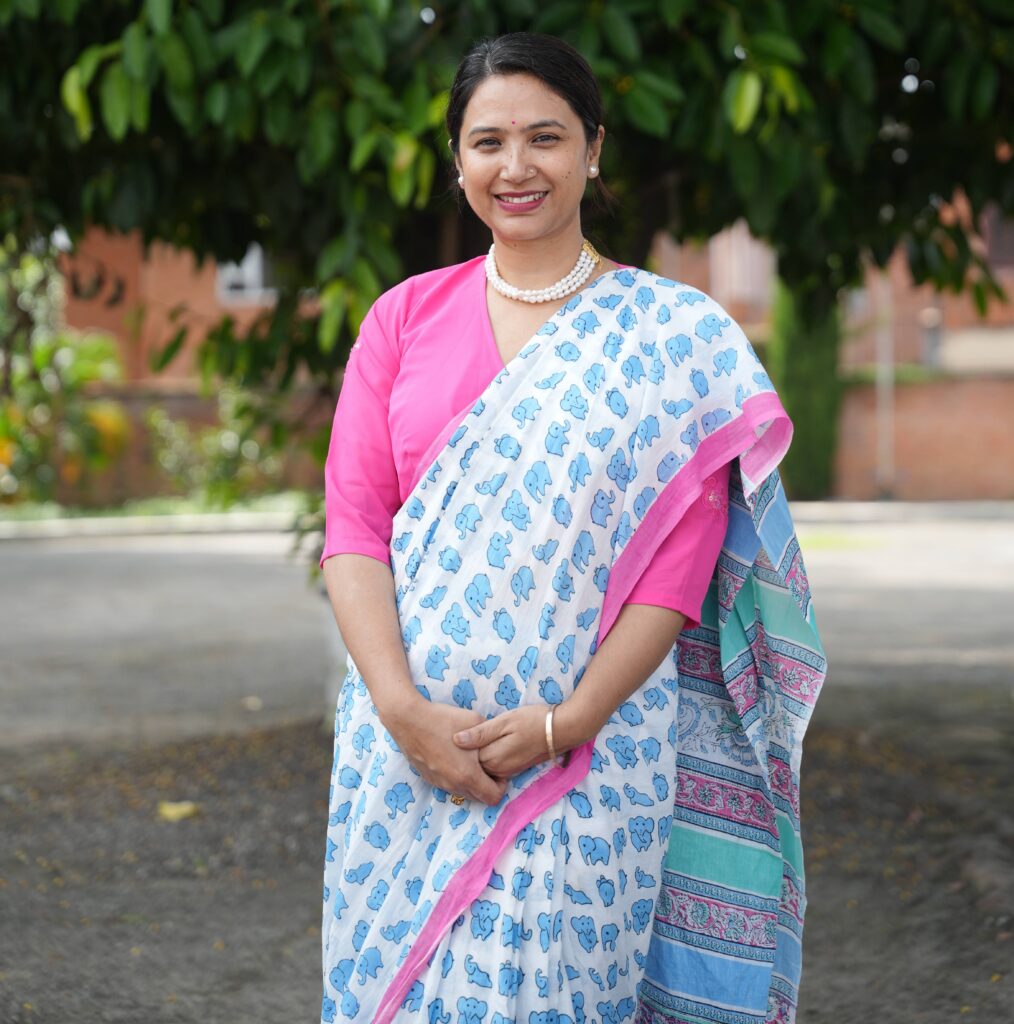
Ms. Yamuna Kumari Basnyat

Committed to strengthening assessment systems, curriculum, individualized planning and staff development.

Mr.Ujjwal Sharma Sapkota
Chairman

Mr.Ujjwal Sharma Sapkota

Committed to strengthening assessment systems, curriculum, individualized planning and staff development.

Managing Director / Co-founder

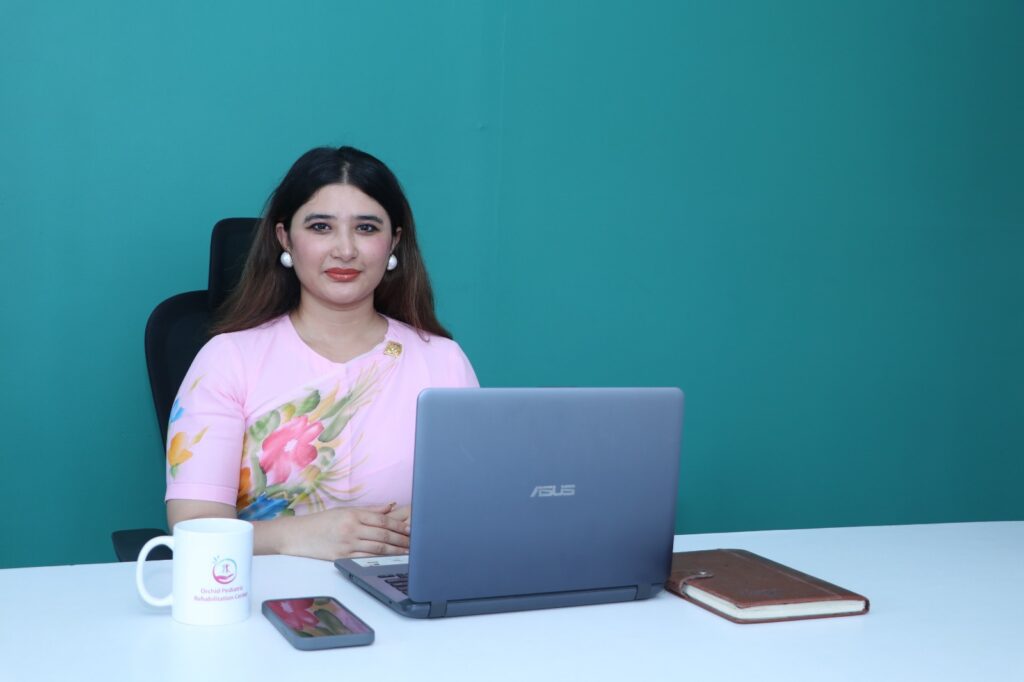
Asmika Katuwal

Maintaining consistency between therapy, classroom learning and everyday routines across our multidisciplinary team.

Ms. Yamuna Kumari Basnyat
From Our Leadership

Message from Chairman

Orchid began with a heartfelt vision to create a place where every child feels accepted, loved, and supported. What started as a Care Home gradually evolved into a Pediatric Rehabilitation Center, driven by the growing need for specialized therapy, early intervention, and developmental support for children with special needs.

We believe every child deserves the opportunity to learn, communicate, grow, and become independent through compassionate care and professional therapeutic support.

Every small achievement reminds us why we began. I sincerely thank our parents, dedicated team, and well-wishers for being part of our journey.

Ms. Yamuna Kumari Basnyat

Founder / Chairperson
img
img
img
img
img
img
img
img
img
img
img
FOR PARENTS WHO ARE JUST BEGINNING

You don't have to have all the answers before you come to us.

If you are noticing that your child is communicating differently, not reaching expected developmental milestones, struggling with interaction, showing significant sensory differences, experiencing challenging behaviors, or having difficulty participating in everyday activities, you can talk to us.

You don't need to know which therapy your child needs before contacting Orchid. That is something we can help you understand.

img
img
img
img
img
Clear Guidance For Families

Frequently Asked Questions

Here are common questions parents ask when beginning early intervention and pediatric rehabilitation.

  • My child has just been diagnosed with autism. Where should we start?
    Start with understanding your child's individual strengths and support needs. An assessment and consultation can help identify appropriate priorities and intervention options.
  • Does every autistic child need all the therapies?
    No. Autistic children have different strengths and support needs. Intervention should be individualized rather than automatically providing every therapy to every child.
  • What age is your Early Intervention Program for?
    Our EIP is designed primarily for children between 18 months and 6 years, with individualized goals based on developmental needs.
  • Does Orchid provide only therapy?
    No. Our EIP combines therapy with early education and school-readiness activities, allowing children to practice developmental skills in a learning environment.
  • Do parents need to participate?
    We strongly encourage parent involvement because children need opportunities to use their skills outside the center as well.